










































County Championship Division One·First Class
LiveStumps : Day 1 - Surrey trail by 339 runs.
19/0
358/9d
County Championship Division One·First Class
LiveStumps : Day 1 - Hampshire elected to bowl
353/1
County Championship Division One·First Class
LiveStumps : Day 1 - Somerset lead by 39 runs.
201/3
162/10
County Championship Division One·First Class
LiveStumps : Day 1 - Leicestershire elected to bowl
405/4
County Championship Division Two·First Class
LiveStumps : Day 1 - Derbyshire trail by 328 runs.
352/10
24/0
County Championship Division Two·First Class
LiveStumps : Day 1 - Northamptonshire trail by 266 runs.
40/0
306/10
County Championship Division Two·First Class
LiveStumps : Day 1 - Middlesex elected to bat
272/6
Afghanistan National T20 Cup·T20
ResultBR won by 4 wickets
115/10
116/6
Sri Lanka Women tour of Bangladesh·Women T20
LiveToss delayed due to rain
New Zealand tour of Bangladesh·T20I
LiveNew Zealand elected to bowl
37/3


India’s SWOT Analysis for Asia Cup 2025
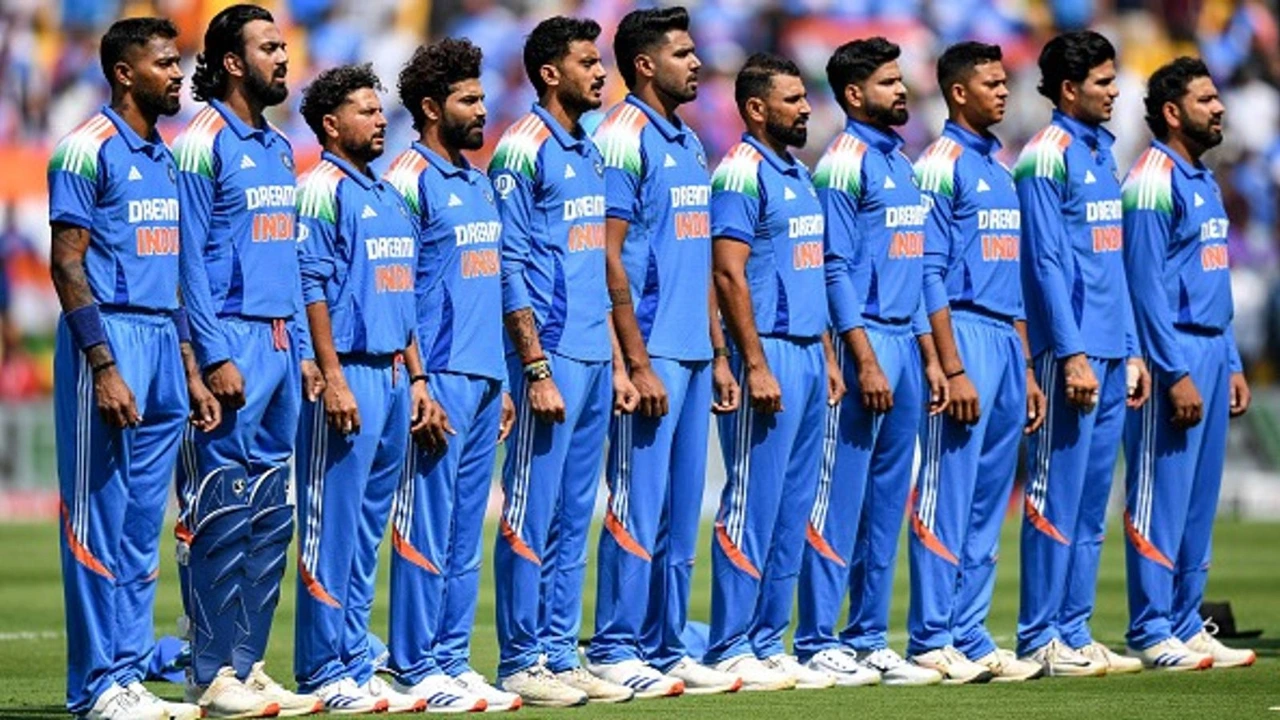 The 2025 Asia Cup (Sept 9–28 in UAE) will be played in the fast-paced T20I formatj. This means India’s team is built аround power hitters and T20 specialists. In T20s you need big-hitting bаtsmen, varied bowling (including death-overs specialists and quality spinners), and athletic fielding.
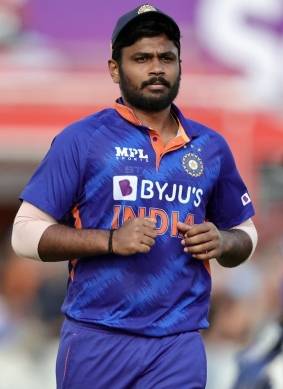
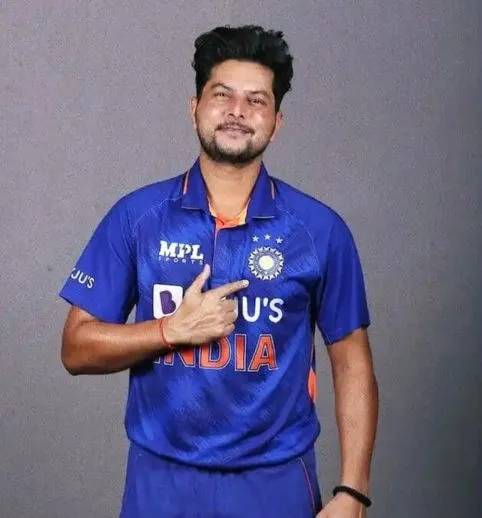
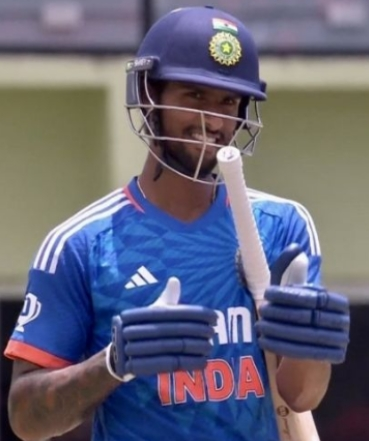
India’s 15-mаn squad (as announced by the BCCI) reflects this focus: Suryakumar Yadav (captain), Shubman Gill (vice-cаptain), Abhishek Sharma, Tilak Varma, Hardik Pandya, Shivam Dube, Axar Patel, wicket-keeper Jitesh Sharma, Jаsprit Bumrah, Arshdeep Singh, Vаrun Chakravarthy, Kuldeep Yadav, Sanju Samson (wk), Harshit Rana and Rinku Singh. (Stаndbys include Yashasvi Jaiswal, Prasidh Krishna, Washington Sundar, etc.) In short, the squad mixes proven T20 stars (Surya, Bumrаh, Axar, Kuldeep, Samson) with young talent (Tilak, Rinku, Harshit) to suit the T20 format.
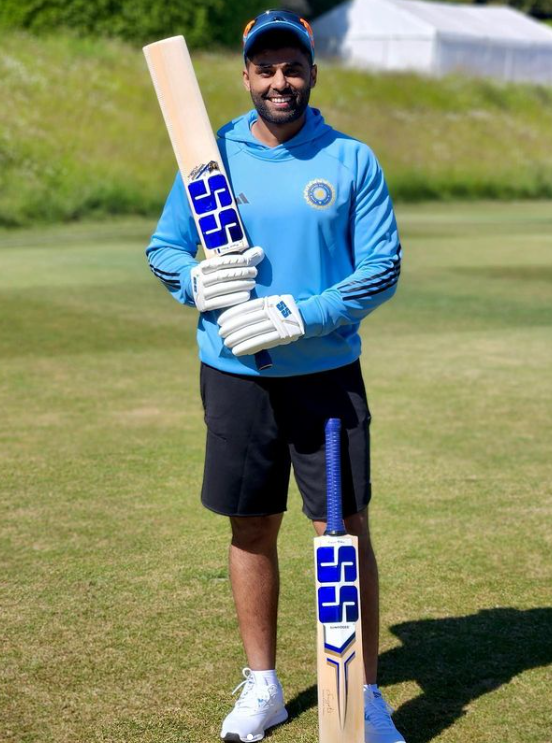
Key Players & Form: Several players stand out. Suryakumar Yadav is not only captain but one of the world’s best T20 batters. He just had a sensational IPL 2025, becoming the first non-opener to score over 700 runs (717 runs in 16 matches). His consistency and power-hitting (at least 25 runs in every innings) make him a match-winner. Shubman Gill (VC) is another key batter – a young star who’s recently been in excellent form (he scored heavily as Test captain in England) and has a strong IPL record. Veteran Hardik Pandya brings experience and all-round skills (big-hitting and seam bowling) to the middle order.
On the bowling side, Jаsprit Bumrah is India’s ace pacer – he was instrumental in India’s 2024 T20 World Cup win and is widely regаrded as one of the best bowlers in the world. (However, his back/knee fitness has been a concern.) Left-arm seаmer Arshdeep Singh adds pace variety, and young fast Harshit Rana is an exciting prospect. In spin, India has a strong arsenal: left-arm spinner Axar Patel (who can also bat), Varun Chakrаvarthy (leg-spin), and Kuldeep Yadav (chinaman spin). These spinners are crucial on UAE wickets. Wicketkeeper-batter Sanju Samson and keeper Jitesh Sharma provide explosive batting depth at No. 6–7.
Strengths
India’s Batting Strength: India’s batting line-up looks scary for any opponent. The openers – whether it’s Abhishek, Shubman, or Samson – usually give a fast start. Tilak Varma holds things steady at number 3, and then comes Surya, who can hit shots all around the ground. After that, you’ve got all-rounders like Hardik and Axar who can smash big hits, and finishers like Rinku Singh or Shivam Dube who can close the game in style. Basically, almost everyone in this line-up can score quickly. Even if India lose early wickets, the batting depth makes it easy for them to bounce back.
Balanced Bowling Attack: With Bumrah leading the pace battery, India has a world-class spearhead who consistently bowls well at the death. Supporting him are Arshdeep (left-arm swing) and Harshit (extra pace). On turning pitches, Axar’s left-arm spin and Kuldeep/Varun’s unorthodox spin provide wickets. This mix of pace and spin gives India options in all conditions. Fielding is also a strength – most players are strong fielders, making saving runs and taking catches.
Leadership & Experience: Suryakumar’s aggressive captaincy and batting form give confidence to the team. Veteran voices like Hardik and Axar stabilize the side. Former greats are upbeat: Virender Sehwag called this “the best team” India has, backing Surya’s leadership. Sehwag pointed out India just won the T20 World Cup, so expectations are high that the similarly-constructed Asia Cup team will do well. In short, experience in big games and strong leadership add to India’s strengths.
Weaknesses
Pace Bowling Depth: India is heavily reliant on Bumrah. If he’s rested or troubled by injury (he has had back/knee issues), there’s concern about backups. The young Harshit Rana and the injury comeback Prasidh Krishna (a standby) have limited international experience. In a long tournament, having just one top-class pacer is a potential weak point.
Spin Variety: Surprisingly, the squad has no right-arm leg-spinner. Experts wondered if India missed a “trick” by not including a leggie – Chahal is out of favor and Ravi Bishnoi hasn’t been tested much at this level. If pitches really favor spin, lacking a leg-spinner could be a gap. India does have plenty of left-arm spin, but a leggie often breaks partnerships in T20s.
Inexperience/Player Form: A few spots are held by newcomers (Harshit Rana, Rinku, etc.) who haven’t played much international cricket. While they bring energy, they can be inconsistent. Also, some senior stars are absent: Rohit Sharma and Virat Kohli (India’s top past scorers) are not part of this T20 squad. The batting lineup is heavy on power, but has fewer gritty “anchor” batsmen. On slow pitches, the team may lack experience of grinding through a difficult innings.
Injury-Prone Stars: As noted, Bumrah’s fitness is a concern. Suryakumar himself recovered from a hernia injury just before the Asia Cup (now fully fit, but it was a factor). Injury or fatigue to any key player (Bumrah, Suryakumar, etc.) could hurt a small squad like this.
Opportunities
Testing New Players: Asia Cup 2025 is a great chance to blood talent ahead of the 2026 T20 World Cup. As Sehwag said, this tournament “is an opportunity to see which new players should be given chances”. Young players like Harshit Rana, Rinku Singh or Abhishek Sharma can prove themselves on a big stage. If someone clicks (for example, if Gill, just returned to T20s, thrives), it could shape India’s core for years.
Shubman Gill’s Leadership Path: With Shubman back in the T20 squad as vice-captain, a strong Asia Cup could cement his role as future leader. Some analysts note that if Gill performs well here, he could be India’s all-format captain after the next World Cup.
Securing Roles: Varun Chakravarthy, for instance, can use this to prove he is India’s number-one spinner in white-ball cricket. Harshit Rana can make a name as the “hit-the-deck” fast bowler. Basically, this tournament lets several players establish themselves and build confidence.
Momentum & T20 World Cup Prep: Winning Asia Cup would give the team momentum heading into the 2026 T20 World Cup at home. This is also a chance to refine combinations (e.g. which batters bat where, which bowlers to use in key overs). Veterans like Sehwag stress that as defending champions and world champions, India can use Asia Cup to fine-tune the squad.
Threats
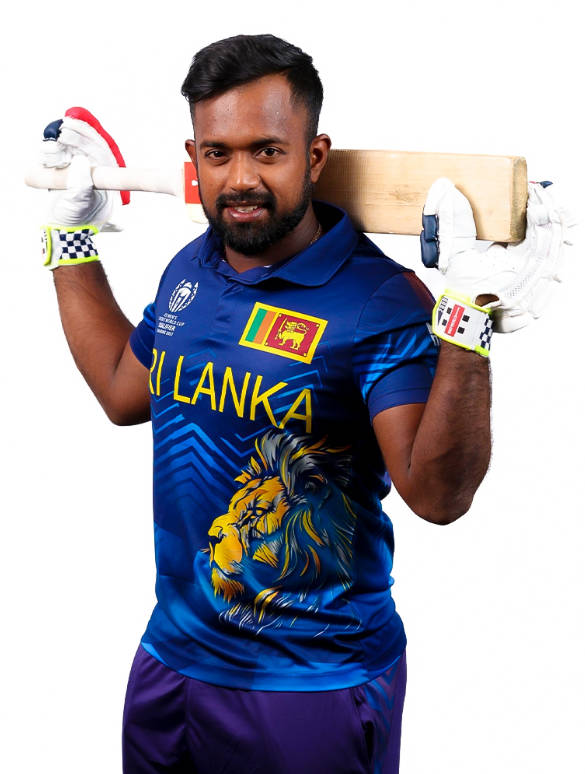
Strong Rivals: Other Asian teams have dangerous players. Pakistan (with new captain Salman Ali Agha), Bangladesh (with Litton Das as skipper) and Sri Lanka (Charith Asalanka) all have match-winners who can challenge India. Afghanistan’s Rashid Khan is still a T20 force. In particular, the India–Pakistan match always carries extra pressure and intensity. Facing high-quality bowling attacks (Shaheen, Haris Rauf, etc.) and strong batting line-ups means India cannot take any game for granted.
Challenging Conditions: UAE pitches can be slow and low in September. Former greats notes that on “slow and low” wickets, India’s reliance on big hitters might backfire – they’ll need batters who can grind out runs, a role Virat or Shreyas Iyer (absent here) usually played. If matches turn into “small target” games or grinding runs, India’s attacking style could be a slight mismatch to conditions.
Expectation Pressure: Coming in as world T20 champions and defending Asia Cup champs, there’s huge pressure to win. Fans and media expect India to dominate. Any slip-up will be magnified. Even seasoned players can feel this pressure, which is an internal threat. (As Sehwag said, “we will win the Asia Cup” – that’s a lot to live up to!)
Past Upsets: In recent tournaments, India has occasionally lost surprising games (e.g., to Bangladesh or Sri Lanka) when least expected. Such “blue-sky failures” are always a threat in cricket. India must guard against complacency. Experts warns that without players like Kohli or Shreyas (who could adapt to tough conditions), India risks being upset on turning pitches.
In simple terms, India’s Asia Cup squad is very strong on paper: explosive batting, a top-class bowling attack, and an inspired captain in form. These are big Strengths. Their Weaknesses are mainly about depth (especially pace backup) and the lack of a specialist leg-spinner. The Opportunities are to fine-tune the team for the World Cup and let new stars (Gill, Rana, Varun, etc.) shine.
But Threats include strong Asian rivals (Pakistan, Sri Lanka, Bangladesh, Afghanistan) and match conditions that might neutralize pure power hitting. Pressure to perform is high as well. Overall, analysts are optimistic – many call this “India’s best T20 team” and expect them to win. But in cricket, surprises happen. If India plays to its strengths and manages risks (like Bumrah’s workload and slow pitches), they have every chance to lift the trophy again.
ALSO READ: Asia Cup 2025: Afghanistan Squad Breakdown – Strengths, Weaknesses & Key Players
LastModified Date: 2025-08-28 15:46:02
K D Mishra
I am a dedicated sports content writer who loves cricket and enjoys creating friendly and engaging content. I write about big moments, player performances, and match stories in simple and clear words, helping fans stay informed and connected to cricket around the world.
Follow Us
Twitter
Share:
Please Login and Comment
Related
Player:
 Virat Kohli
  Rashid Khan
  Litton Das
  Rashid
  Rohit Sharma
 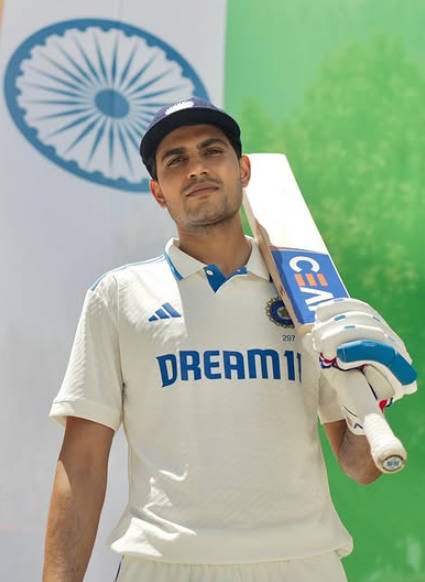 Shubman Gill
  Shreyas Iyer
  Hardik Pandya
  Sanju Samson
  Kuldeep Yadav
  Tilak Varma
  Washington Sundar
  Axar Patel
 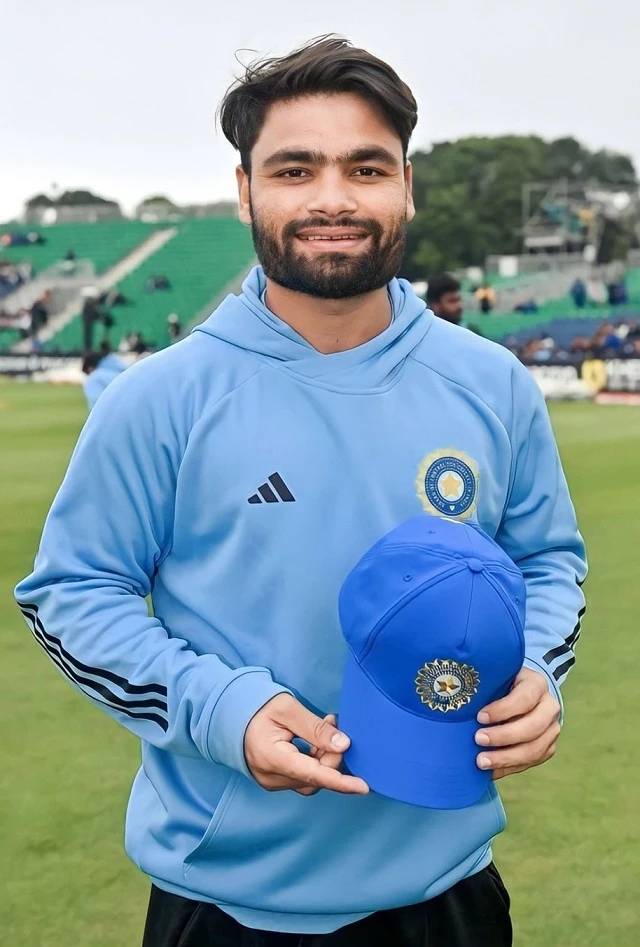 Rinku Singh
 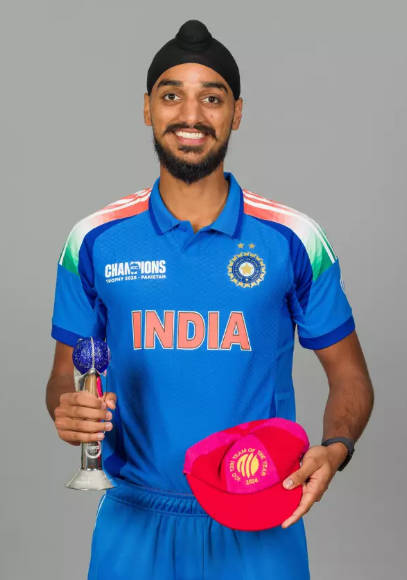 Arshdeep Singh
 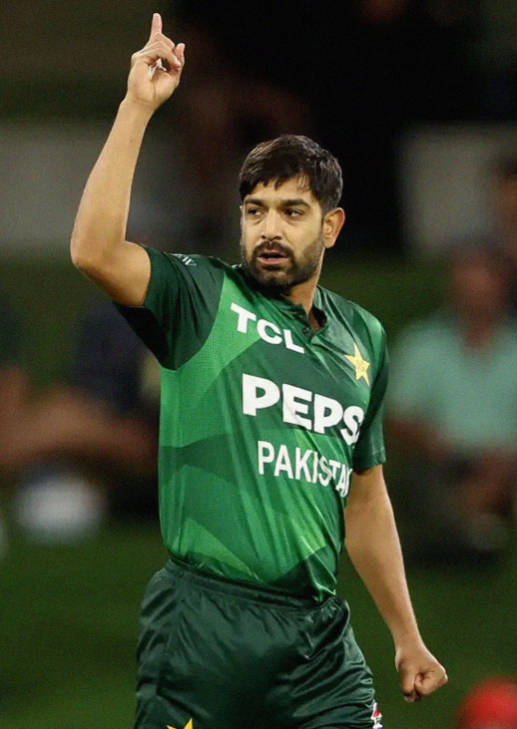 Haris Rauf
 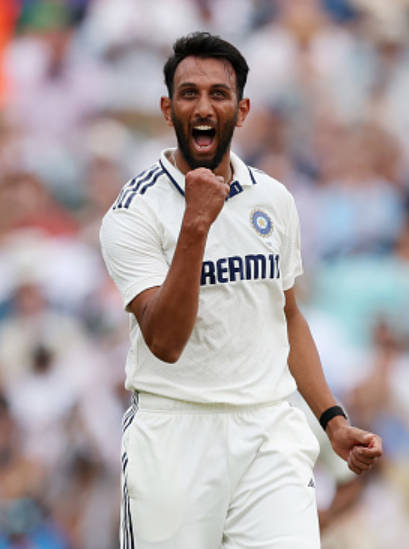 Prasidh Krishna
  Suryakumar Yadav
  Abhishek Sharma
  Yashasvi Jaiswal
  Shivam Dube
  Ravi Bishnoi
  Charith Asalanka
  Kuldeep
  Harshit Rana
  Jitesh Sharma
  Virender Sehwag
News:


Latest Comments
 md. aksh aksh
 Amaan saifi
 Matthew alem jungsa Longchar 71
 Gugu Guru
 Anowar Laskar (Nickname)
 johnylevis
 Ganesh
 Aniket Toppo
 Anjani Kumar


IPL Trending News
Latest News
Hot Tags
ipl-2025 (910) india (856) bcci (844) icc (841) IPL 2026 (638) virat-kohli (400) pakistan (331) rohit-sharma (326) rcb (268) australia (267) PSL 11 (240) T20 World Cup 2026 (236) england (216) pcb (199) csk (177) champions-trophy (163) jasprit-bumrah (157) mumbai-indians (151) shubman-gill (147) asia-cup-2025 (143)


