June 17, 2026 10:00 am


June 17, 2026 1:00 pm




June 17, 2026 1:30 pm


June 17, 2026 3:00 pm


June 17, 2026 3:00 pm


June 17, 2026 3:00 pm


June 17, 2026 3:00 pm


June 17, 2026 3:00 pm


June 17, 2026 3:00 pm


June 17, 2026 3:15 pm




June 17, 2026 7:00 pm


June 17, 2026 7:00 pm


June 17, 2026 7:00 pm


June 17, 2026 7:30 pm


June 17, 2026 8:00 pm

June 17, 2026 11:00 pm


June 18, 2026 1:00 pm


June 18, 2026 2:00 pm



TV Umpiring Mistakes Under the Spotlight at Women’s World Cup 2025

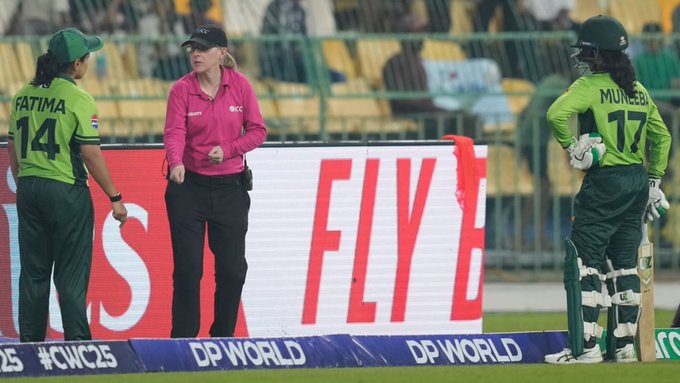
In the 2025 Women's World Cup, Questions have been raised about the standard of umpiring . Several controversial decisions have drawn attention in the first two and a half weeks of the tournament. The most prominent among these has been the use of the Decision Review System (DRS), which is used sparingly in women's cricket. This has raised questions about the umpires' experience and understanding of the DRS protocol.
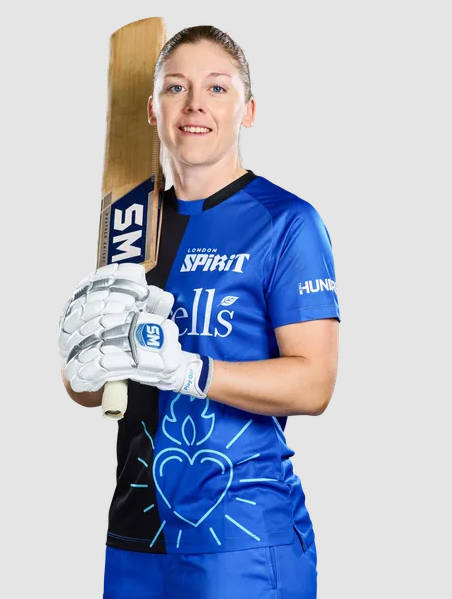
The biggest controversy occurred in the match between England and Bangladesh, when Heather Knight was given three reprieves. One of these occasions was when Shorna Akhtar took a low catch. Knight was on 13, and England were chasing 179. Knight played a Fahima Khatun delivery to cover, where Shorna took a brilliant catch. Knight herself walked back to the pavilion, but TV umpire Gayatri Venugopalan declared the decision not out, citing "insufficient evidence." Earlier, a caught-behind decision had been given out on the field, but the third umpire overturned it, stating that the ball had hit the pad and not the bat and went to the keeper.
Broadcaster Nasser Hussain said, "I asked Knight after the match and she said she thought she was out and was walking back to the pavilion. She said, 'I've probably never been out so many times in a single match.'" She then scored an unbeaten 79, leading England to victory, much to the dismay of the opposition.
Another incident occurred during the India-Pakistan match when Pakistan opener Muneeba Ali was given out under strange circumstances. The TV umpire initially declared her not out, but later reversed the decision to out. The matter became complicated because the umpire had not previously reviewed the footage from all angles. When he reviewed the remaining footage, he saw the run-out scenario and reversed the decision. This led to confusion on the field, and Muneeba and captain Fatima Sana went to the fourth umpire to seek clarification.
Cricket doesn't need an all-female umpiring panel, it needs good umpires. Its a world cup for God's sake, not a women empowerment platform.
— चिरकुट ज़िंदगी (@Chirayu_Jain26) October 18, 2025
And no, this isn't a misogynistic or anti-feminist opinion. https://t.co/EsYJgoRIXh pic.twitter.com/objX20dENb
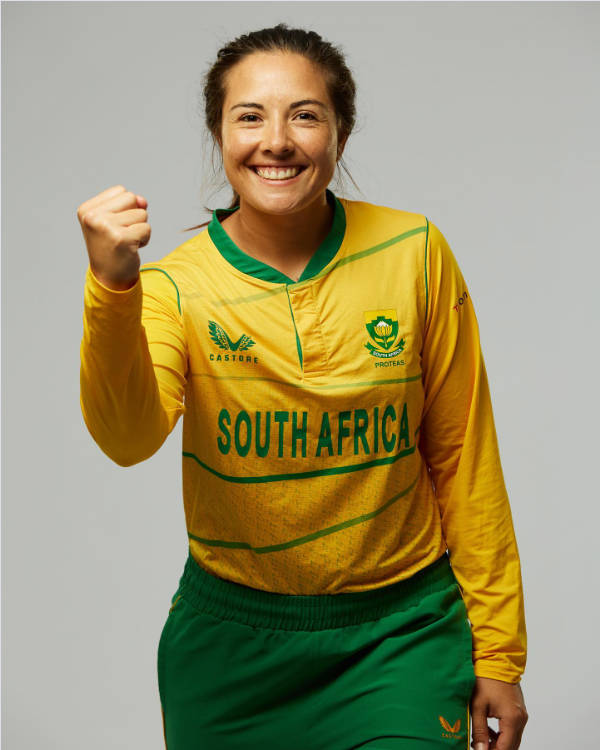
Another controversial decision occurred during the India-South Africa match when India took an LBW review against Sune Luus. Third umpire Candace La Borde misread a slight vibration on the Ultra-Edge ball as contact with the bat, even though side-angle replays clearly showed a gap between the ball and the bat. Consequently, Luus was declared not out. Sneh Rana's catch of Alyssa Healy in the India-Australia match also made headlines. Third umpire Jacqueline Williams initially said "the ball was touching the ground," but later reversed her decision and declared the catch valid.
Regarding Healy's dismissal, Hussain said, "If you watch these replays over and over again, keep zooming in. I don't remember exactly where I was. Maybe I was watching on TV, and it was one of those times where the ball goes under the fingers and hands. The third umpire didn't look at fifteen different replays or angles.
He just looked at two or three times and, based on his experience and feeling, said the fingers were under the ball, so it was out. But this is what always bothers me when I'm watching at home or on broadcast. If you keep watching replays over and over, you're bound to see something that's confusing; Therefore, extreme caution and accuracy are required."
Muneeba Ali was initially given not out because she had placed her bat behind the crease but after some time, the umpire gave her out. This is really poor. @BCCI, even ragging a women's game . Have some shame. pic.twitter.com/pS1MNKqCfX
— Hassan Abbasian (@HassanAbbasian) October 5, 2025
So far, 10 umpires have served as TV umpires in this World Cup, but only three have experience with DRS in more than 20 matches: Sue Redfern (42), Eloise Sheridan (25), and Kim Cotton (24). Three umpires, Candace La Borde, Ann Janani, and Sarah Dumbanenawa, have never previously officiated in an ODI match with DRS on TV.
Overall, five of the 10 umpires have worked with DRS in fewer than five matches, clearly demonstrating a lack of experience. The rate of on-field decisions being overturned in this World Cup is also higher than before. So far, 25 decisions have been overturned in 36 innings, or 0.67 times per innings. This rate was 0.46 in the 2023 Men's ODI World Cup.
The ICC declined to comment on umpires' experience or DRS-related errors. It was also not clear whether any team lodged a formal complaint about these decisions. ICC Umpire Manager Shaun Easey has been present at several venues during the tournament.
ALSO SEE: PCB to Decide New ODI Captain in Joint Committee Meeting on October 20 Ahead of South Africa Series

K D Mishra
I am a dedicated sports content writer who loves cricket and enjoys creating friendly and engaging content. I write about big moments, player performances, and match stories in simple and clear words, helping fans stay informed and connected to cricket around the world.
Follow Us
Twitter
Share:
Please Login and Comment
Related
Player:







News:


Latest Comments
 Ethan
Ethan Priya Kapoor Karthik Shah Neha Rao Riya Desai Ananya Kapoor Pooja Patel Riya Malhotra
IPL Trending News
Latest News
Hot Tags
ipl-2025 (910) bcci (889) india (856) icc (855) IPL 2026 (790) virat-kohli (400) pakistan (338) rohit-sharma (326) rcb (287) australia (269) pcb (250) PSL 11 (250) T20 World Cup 2026 (238) england (216) csk (188) champions-trophy (163) jasprit-bumrah (157) mumbai-indians (151) shubman-gill (147) kkr (147)


