



































ICC CWC League 2 ·ODI
ResultNEP won by 6 runs
289/7
248/8
ICC Womens T20I Challenge Trophy·Women T20
May 1, 2026 12:30 pm
County Championship Division One·First Class
LiveStumps : Day 1 - Surrey trail by 339 runs.
19/0
358/9d
County Championship Division One·First Class
LiveStumps : Day 1 - Hampshire elected to bowl
353/1
County Championship Division One·First Class
LiveStumps : Day 1 - Somerset lead by 39 runs.
201/3
162/10
County Championship Division One·First Class
LiveStumps : Day 1 - Leicestershire elected to bowl
405/4
County Championship Division Two·First Class
LiveStumps : Day 1 - Derbyshire trail by 328 runs.
352/10
24/0
County Championship Division Two·First Class
LiveStumps : Day 1 - Northamptonshire trail by 266 runs.
40/0
306/10
County Championship Division Two·First Class
LiveStumps : Day 1 - Middlesex elected to bat
272/6
ICC Womens T20I Challenge Trophy·Women T20
ResultNEP-W won by 8 wickets
36/6
40/2
Pakistan Super League·T20
ResultHK won by 2 runs
184/7
186/5
Indian Premier League·T20
ResultDC won by 7 wickets
225/6
226/3
Sri Lanka Women tour of Bangladesh·Women T20
May 2, 2026 1:00 pm


ICC New Rules Explained: Stop Clock, DRS LBW Check & No-Ball Catch Review
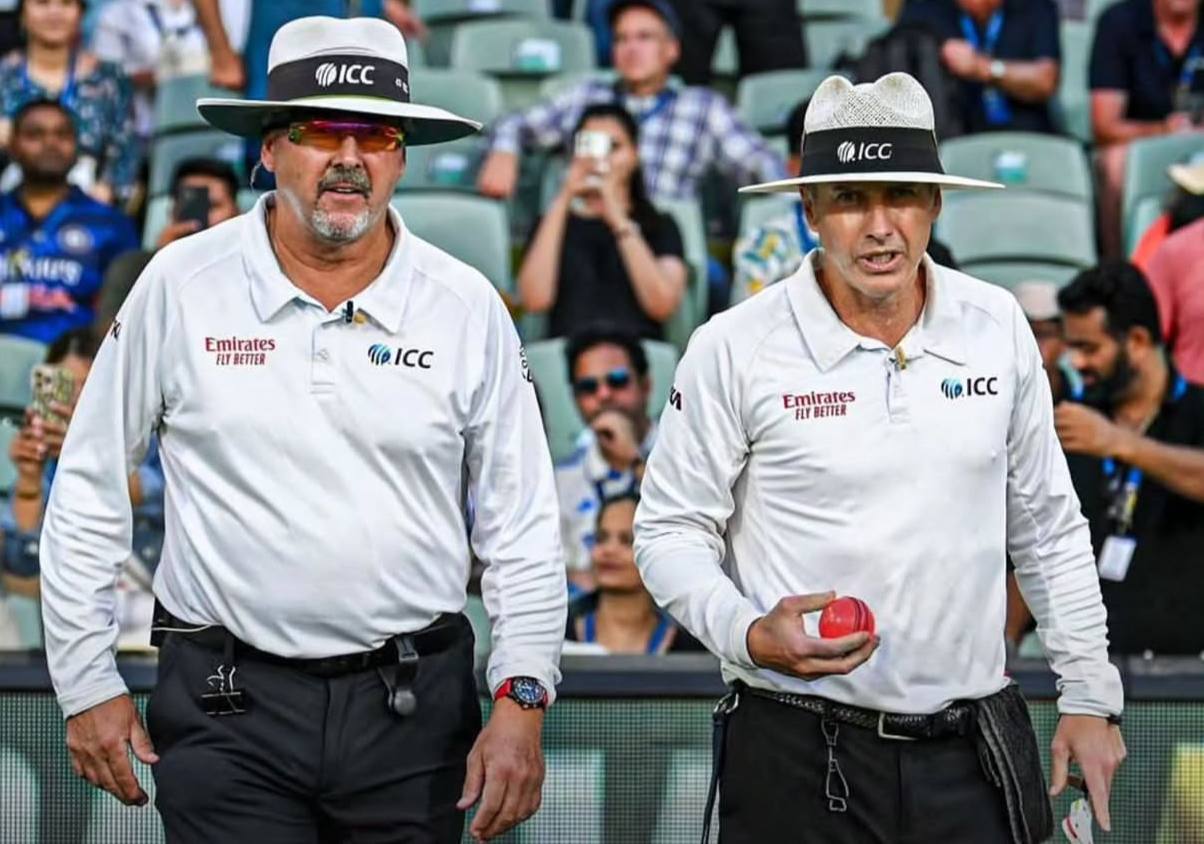 The ICC has brought in some new rules for men’s international cricket, covering Tests, ODIs, and T20Is. Some of these changes are already being used in the current World Test Championship (2025–27). The new rulesfor white-ball matches will start from July 2, with the first ODI between Sri Lanka and Bangladesh.
ICC New Rules Overview
After bringing it into white-ball cricket, the ICC has now introduced the stop clock in Test matches to deal with slow over rates. The fielding team must start a new over within 60 seconds of the last one finishing. If they take too long, umpires will first give two warnings. If delays continue, a five-run penalty will be added. The stop clock will reset after every 80 overs. This rule is already in use in the current World Test Championship cycle.
The ban on using saliva to shine the ball is still in place, but there’s a slight change to how it’s handled. Umpires no longer have to change the ball right away if saliva is found on it. This update is meant to stop teams from using saliva on purpose just to get a ball change. Now, the ball will only be replaced if the umpires feel its condition has changed in a big way. If not, the same ball will stay in play even if it starts moving more. That said, the batting team will still get five penalty runs if saliva is used.
DRS Caught Review Now Includes LBW Check
The ICC has made a small but important change to the DRS rules. If a batter is given out caught and then reviews the decision, and UltraEdge shows no bat involved but the ball has hit the pad, the third umpire will now check for LBW. In this case, the original decision of “out” will stay in place. So, even if ball-tracking shows “umpire’s call,” the batter will still be out. Earlier, this would have been overturned to “not out” by default.
When a single delivery leads to multiple appeals like an LBW and a run-out the third umpire will now review them in the order they happened. This is a change from the old rule, where umpire-initiated reviews were checked first, no matter the order. With this new rule, if the first appeal results in the batter being out, the ball is considered dead and the second appeal won’t be looked at.
Updated Rule: Runs Depend on Validity of No-Ball Catch
Another update is about catches on no-balls. Even if a delivery is called a no-ball, the third umpire will still check if the catch was taken fairly. If the catch is clean, only the no-ball run will count. But if the catch wasn’t clean, any runs the batters completed during the play will also be added. This change helps ensure the outcome is fair for both teams.
The ICC has tightened the rules around deliberate short runs, where a batter purposely doesn’t make their ground to sneak in extra runs. Along with the existing five-run penalty, the fielding team will now be allowed to choose which batter faces the next ball. However, if a run is aborted without any intent to cheat or gain an unfair advantage, it’s still allowed.
In another move, the ICC will trial full-time injury replacements in domestic first-class cricket. If a player suffers a visible injury like a broken finger or facial blow,teams can now bring in a like-for-like substitute who can fully take part in the match not just as a fielder. This rule won’t apply to muscle pulls or internal injuries and will be tested based on each cricket board’s choice.
Also, from July 2, ODIs will go back to using just one ball after the 35th over. The current system of using two balls from both ends had reduced wear and swing. This change is expected to help bowlers bring reverse swing back into the game and make it harder for batters in the final overs creating better balance between bat and ball.
ALSO READ:
Follow Us
Twitter
Share:
Please Login and Comment
Related
Player:
Team:
News:

Latest Comments
 md. aksh aksh
 Amaan saifi
 Matthew alem jungsa Longchar 71
 Gugu Guru
 Anowar Laskar (Nickname)
 johnylevis
 Ganesh
 Aniket Toppo
 Anjani Kumar


IPL Trending News
Latest News
Hot Tags
ipl-2025 (910) india (856) bcci (844) icc (841) IPL 2026 (636) virat-kohli (400) pakistan (331) rohit-sharma (326) rcb (268) australia (267) PSL 11 (236) T20 World Cup 2026 (236) england (216) pcb (199) csk (177) champions-trophy (163) jasprit-bumrah (157) mumbai-indians (151) shubman-gill (147) asia-cup-2025 (143)


