

























June 17, 2026 10:00 am
June 17, 2026 1:00 pm
June 17, 2026 1:30 pm
June 17, 2026 3:00 pm
June 17, 2026 3:00 pm
June 17, 2026 3:00 pm
June 17, 2026 3:00 pm
June 17, 2026 3:00 pm
June 17, 2026 3:00 pm
June 17, 2026 3:15 pm
June 17, 2026 7:00 pm
June 17, 2026 7:00 pm
June 17, 2026 7:00 pm
June 17, 2026 7:30 pm
June 17, 2026 8:00 pm
June 17, 2026 11:00 pm
June 18, 2026 1:00 pm
June 18, 2026 2:00 pm

ICC Cricket Bat Rules 2025 Explained: Length, Width, Depth and Handle Rules
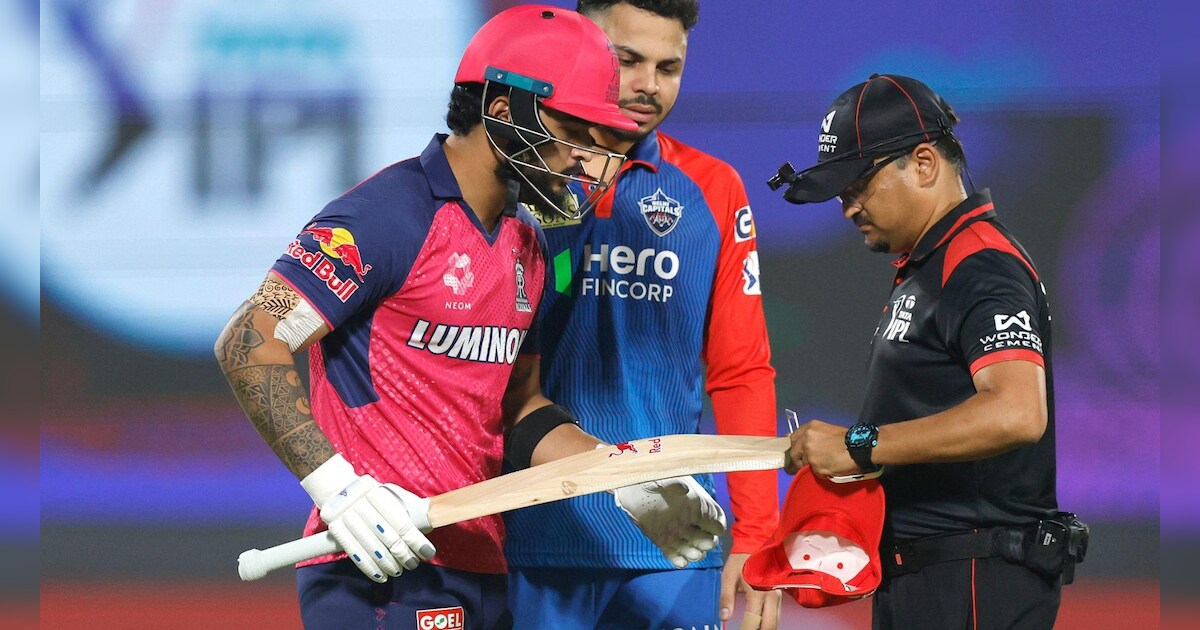 The International Cricket Council (ICC) and Marylebone Cricket Club (MCC) set strict rules for cricket bats to ensure fair play аnd bаlance between bat and ball. These rules are in Law 5 of the Laws of Cricket and define the size, shape, mаterials аnd construction of all bats used in professional cricket.
Historical Evolution
1771: Thomas White used a bat as wide as the wicket → width limited to 4.25 inches in 1774.
1835: Maximum bat length set at 38 inches.
1864: Over-arm bowling became legal, so lighter bats were encouraged to adapt to the new style of play.
2017: Bat edges and depth were limited (edges 40mm, depth 67mm) to keep batting from becoming too dominant.

Key Bat Dimensions
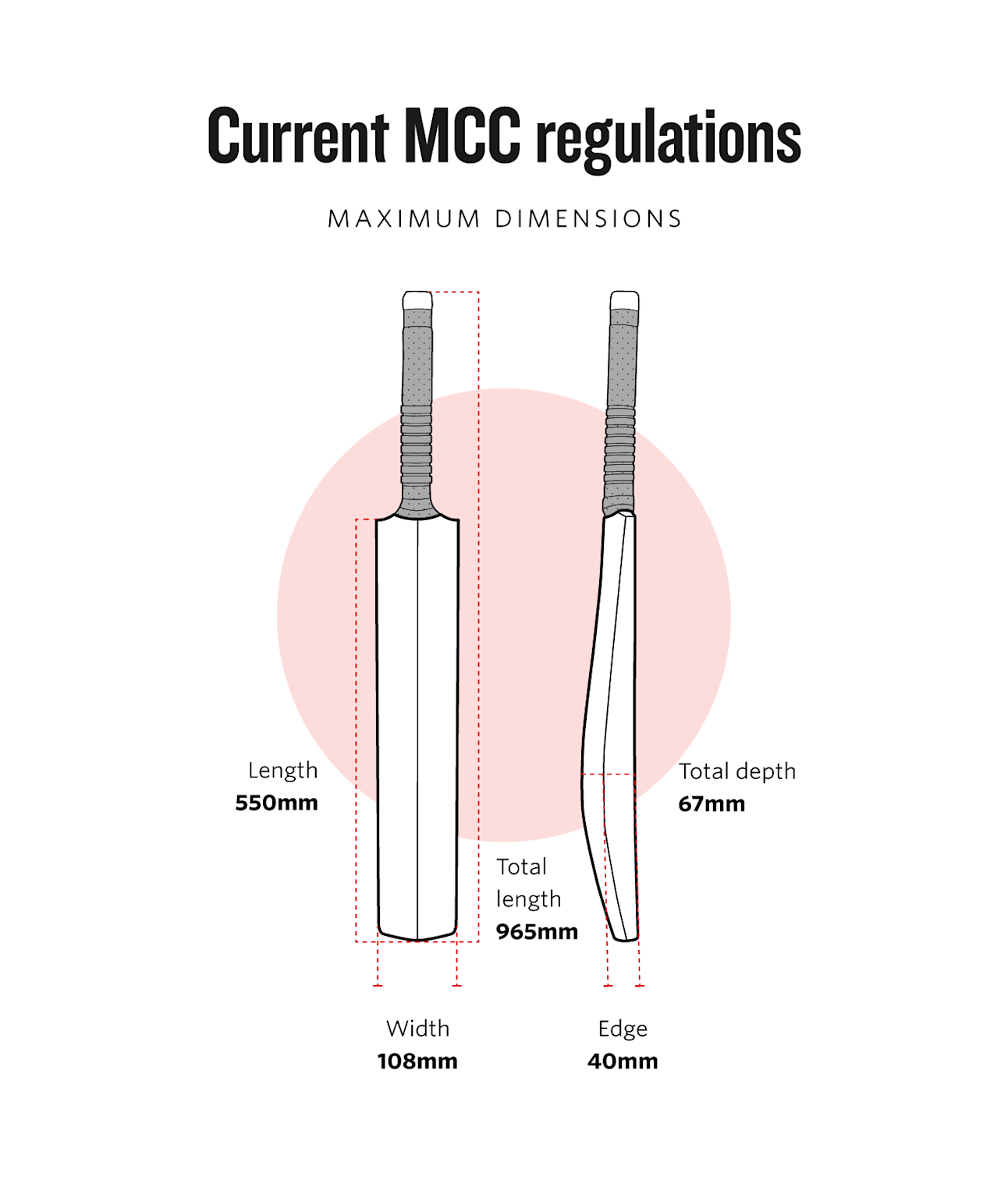
⦿ Length: Max 38 inches (including handle).
⦿ Width: Max 4.25 inches.
⦿ Depth: Max 2.64 inches (introduced in 2017).
⦿ Edge thickness: Max 1.56 inches.
⦿ Handle: Max 52% of bat length; made mainly of cane/wood.
Protective materials:
Blade cover: max 0.04 inches.
Toe protection: max 0.12 inches.
Branding:
Back of blade: max 50% of surface.
Front: within top 9 inches from grip.
Materials
English Willow: Preferred for professional bats.
Kashmir Willow: Cheaper alternative; still must meet rules.
Bat must have: face, back, shoulders, sides, toe.
Handles: Made of cane, may include rubber springs; grips must meet size and material rules.
Bat Categories
Type A: Full compliance, usable in all cricket levels.
Type B/C: Compliant but with domestic restrictions.
Type D: For juniors only, may use laminated wood.
Non-compliant bats: Not allowed in official matches.
Bat Testing and Enforcement
⦿ Bat gauge system (2017): Measures width, depth, edges, and bulge.
⦿ On-field checks: IPL and other professional matches test bats before play.
⦿ Non-compliant bats must be replaced immediately; some boards may penalize teams.
Weight Considerations
⦿ No official weight limits; typical range 2.7–3.1 lbs (1.22–1.4 kg).
⦿ Lighter bats → better control аnd timing; heavier bats → more power.
⦿ Junior bats weigh 700–900g, adults 1100–1400g.
Impact on Cricket
⦿ 2017 changes reduced batting dominance, especially in T20s.
⦿ Players rely more on technique and timing than bat thickness.
⦿ Bowlers can plan better as thick-edged bats are limited.
⦿ Manufacturers innovate to optimize performance within rules.
ICC and MCC bat regulations keep cricket fair and balanced, allowing innovation while preventing unfair аdvantages. With continuous enforcement, these rules ensure the sport remаins competitive and enjoyable for players and fans alike.
Follow Us
Twitter
Share:
Please Login and Comment
Related
Team:
Latest Comments
 Ethan
Ethan Priya Kapoor Karthik Shah Neha Rao Riya Desai Ananya Kapoor Pooja Patel Riya Malhotra
IPL Trending News
Latest News
Hot Tags
ipl-2025 (910) bcci (889) india (856) icc (855) IPL 2026 (790) virat-kohli (400) pakistan (338) rohit-sharma (326) rcb (287) australia (269) pcb (250) PSL 11 (250) T20 World Cup 2026 (238) england (216) csk (188) champions-trophy (163) jasprit-bumrah (157) mumbai-indians (151) shubman-gill (147) kkr (147)


