








Hardik Pandya's Tactical Blunder Under Fire After India's Narrow Loss to South Africa

In a closely contested second T20I against South Africa, Indian all-rounder Hardik Pandya found himself at the center of criticism for his decision-making during the match. The encounter, held at a buzzing venue, saw South Africa clinch victory by three wickets, leveling the four-match series at 1-1.
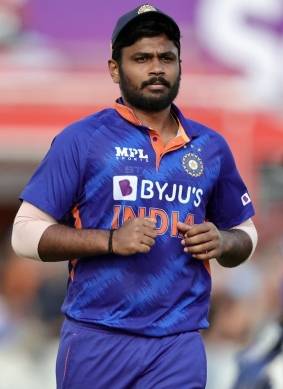
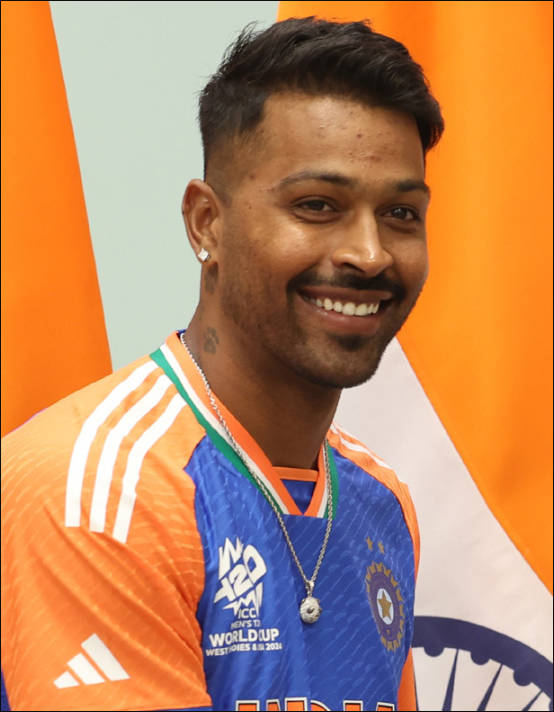
The Indian team, after being put into bat by South African skipper Aiden Markram, managed to post a modest 124/6. The innings got off to a shaky start with the top order faltering, including a golden duck for the previous match's centurion, Sanju Samson. Hardik Pandya, however, stood resilient, crafting an unbeaten 39 off 45 deliveries, providing a semblance of stability amidst the collapse.
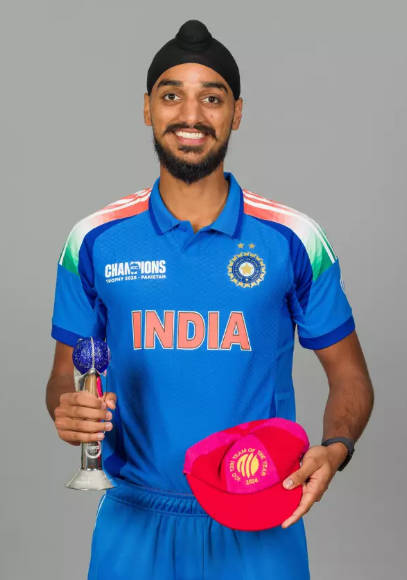
Despite this, former India pacer RP Singh was vocal about Pandya's reluctance to rotate the strike with Arshdeep Singh at the other end. Arshdeep, known more for his bowling prowess, showcased his batting capabilities by smashing a six. Yet, Pandya appeared hesitant to trust his partner, opting instead to retain the strike. "The score should have been higher," RP Singh remarked on JioCinema. "Hardik refused to take singles when Arshdeep had already proven he could contribute. In tight matches, every run counts, and missing these opportunities can be costly."
India's defense of their below-par total was spirited, thanks largely to Varun Chakravarthy's remarkable five-wicket haul that gave the team a fighting chance. However, South Africa's middle order, led by Tristan Stubbs and Gerald Coetzee, orchestrated a match-winning partnership that ultimately took the game away from India. Varun's exceptional bowling effort was supported by brief moments of brilliance from Heinrich Klaasen and David Miller, but the target proved too small to defend conclusively.
The match highlighted the importance of tactical flexibility and the need for every player to contribute, regardless of their position in the batting order. With two more games to go in the series, India will need to reassess their strategies and focus on capitalizing on every opportunity to regain the upper hand.
As the series stands evenly poised, both teams will look to their key players to deliver under pressure. For India, this means ensuring that decisions, such as trusting lower-order batsmen, are made with a team-first approach.
LastModified Date: November 11, 2024 11:43:59
Follow Us
Twitter
Share:
Please Login and Comment
Related
Player:
Team:
News:



IPL Trending News


Latest News

