
IPL Trade Window Explained: How It All Works, Big Deals, and Rumors – All You Need to Know
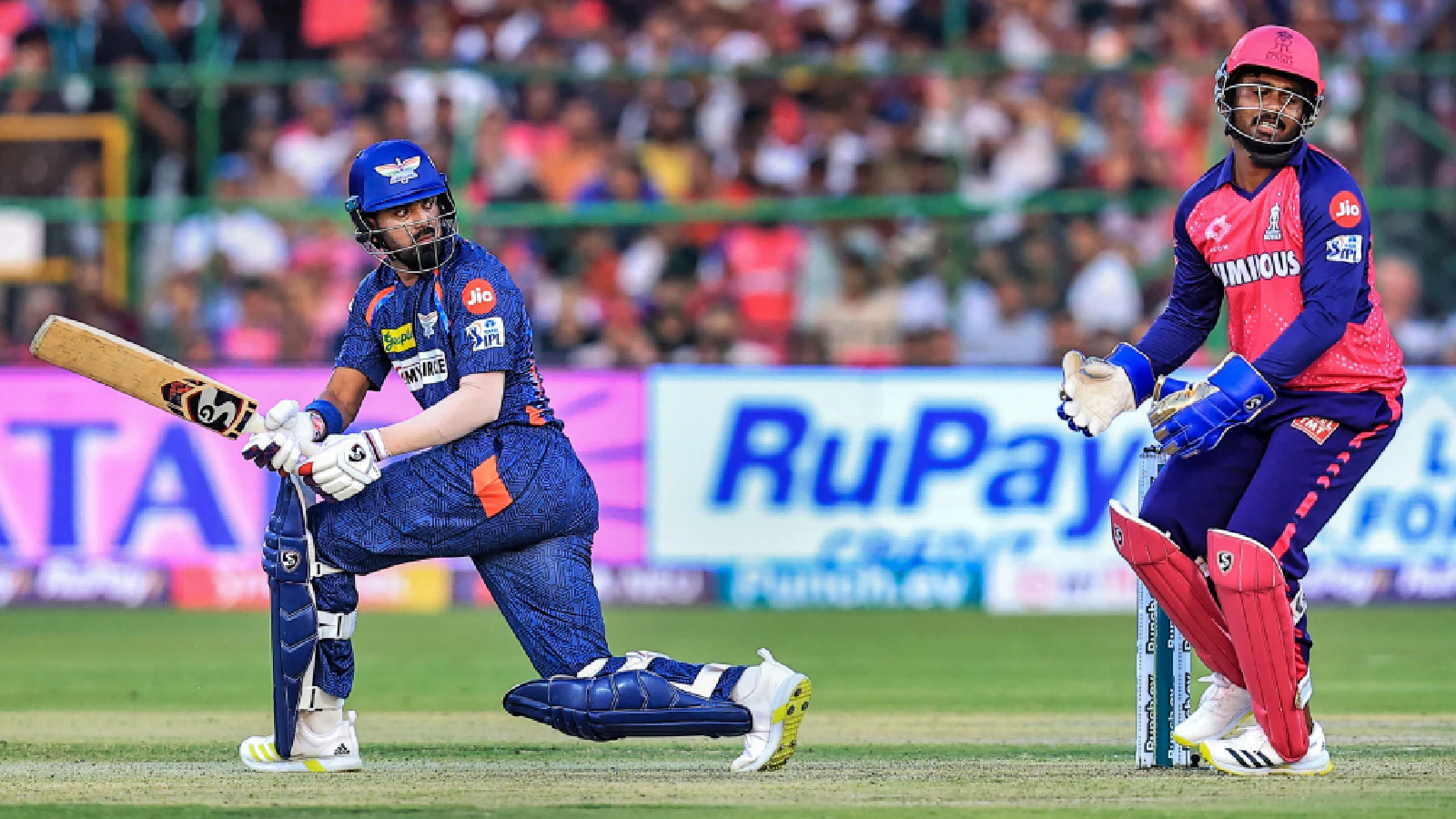
In the past few years, the Indian Premier League (IPL) has brought extra buzz even after the matches end, thanks to the player-trading window. The trade system has been around since 2009, but in recent years, teams have become more open to making deals, especially as players’ wishes have started to matter more. Just two years ago, we saw one of the biggest trades in IPL history when Gujarat Titans captain Hardik Pandya returned to his first team, Mumbai Indians, for an undisclosed amount.
This year, the biggest talking point already is Rajasthan Royals captain Sanju Samson being reportedly open to a move away, with Chennai Super Kings the biggest suitor. There will be more names as the season comes closer, so here’s everything you need to know about the IPL trade windows.
How Do IPL Player Trades Work?
The trade system has been around since 2009, but in recent years, teams have become more open to making deals, especially as players’ wishes have started to matter more. Just two years ago, we saw one of the biggest trades in IPL history when Gujarat Titans captain Hardik Pandya returned to his first team, Mumbai Indians, for an undisclosed amount.
CSK would pay RR a fee for the transfer. This move would free up Samson’s ₹18 crore salary from RR’s budget for the 2026 auction and add it to CSK’s spending. His contract terms would stay the same, and he would then play for CSK in yellow.
| Detail | Information |
|---|---|
| Trade Window Timeline | Opens a month after the season ends and runs until a week before the next auction |
| Trade Types | One-way (player for cash) or two-way (player for player) |
| Approval Requirement | All trades must be approved by the IPL governing council |
| Current Context | With the 2026 auction months away, more star players could be linked to moves |
| Negotiation Activity | Franchises may negotiate quietly behind the scenes to strengthen squads for next season |
Can rich teams pay extra to get players?
In the IPL, all teams get the same purse to keep things fair, but there’s no cap on transfer fees. This means a richer team can tempt a smaller team by offering a big sum, and this amount doesn’t show up in the IPL’s official accounts. It is a big factor that doesn’t have to be disclosed to the public. Players being traded can take up to a 50% cut in the fees, but it’s not guaranteed by law.
How Does a Player-for-Player Trade Work in the IPL?
That’s the second way IPL trades can happen. For example, in our case, CSK could give RR two of its players in return for Samson. If there’s a difference in value, the extra amount is paid in cash and adjusted in the purse money.
When does the IPL player-trading window open and close?
The player-trading window opens a month after the season ends (this year, on July 3) and stays open until a week before the auction. It pauses during the auction and then reopens, running until a month before the next season begins.
IPL 2026 Trade Rumors
| Player | From Team | To Team (Rumored) |
|---|---|---|
| Sanju Samson | RR | CSK |
| KL Rahul | DC | KKR / CSK |
| Devon Conway | CSK | GT |
| Ishan Kishan | SRH | MI |
| Venkatesh Iyer | KKR | SRH / RCB |
Some of the Biggest Trade Deals in IPL History
| Player | To Team | Year | Transfer Fee |
|---|---|---|---|
| Hardik Pandya | Mumbai Indians | 2024 | ₹15 crore |
| KL Rahul | Royal Challengers Bengaluru | 2016 | Not disclosed |
| Cameron Green | Royal Challengers Bengaluru | 2024 | Not disclosed |
| Kevin Pietersen | Delhi Daredevils | 2012 | Not disclosed |
| Ravichandran Ashwin | Delhi Capitals | 2020 | Not disclosed |
ALSO SEE: Who Will Replace Sanju Samson? 5 Batters RR Could Target in IPL 2026 Mini Auction