
Every time a team boycotted an ICC tournament game
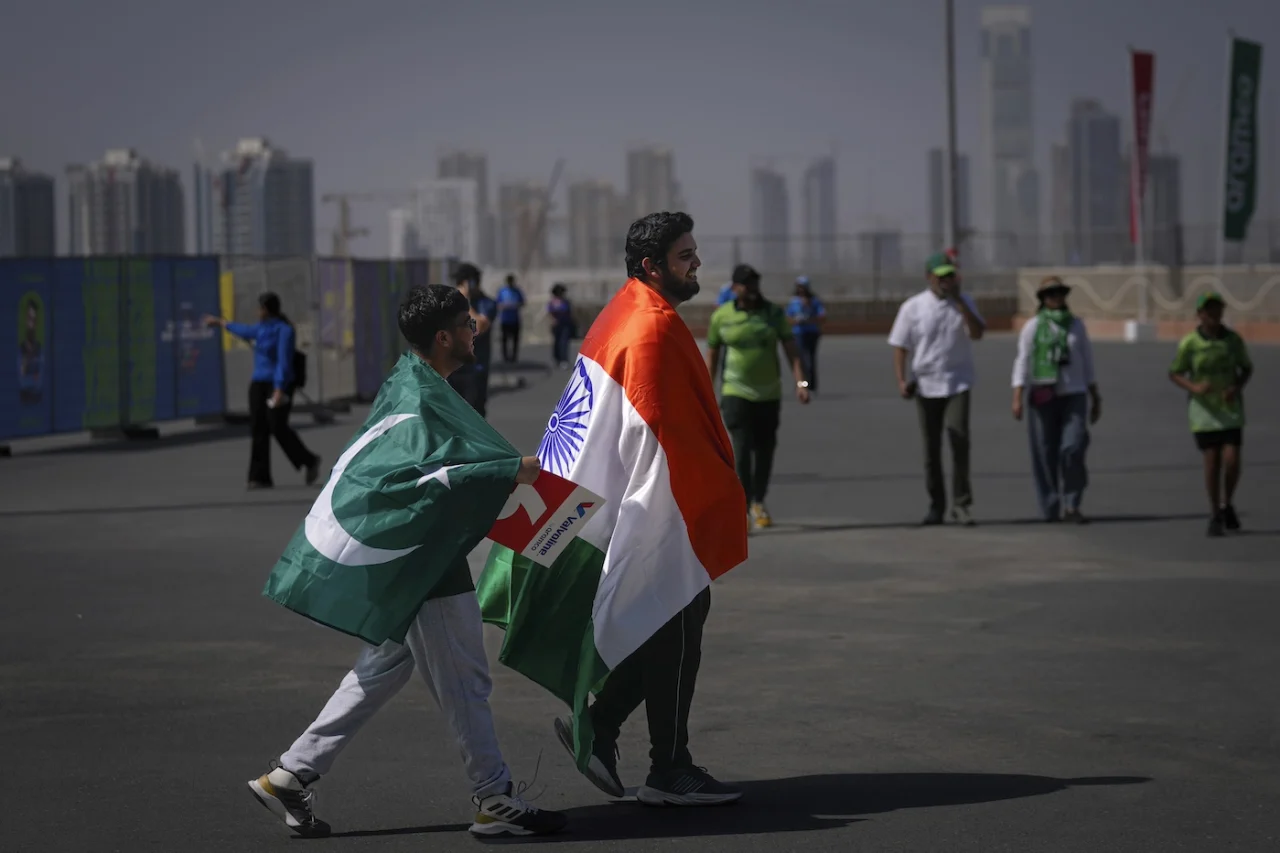 The Government of Pakistan has instructed the national team not to take the field in their T20 World Cup game against India on February 15. The decision came in response to a long series of events, which began with the Board of Control for Cricket in India (BCCI) asking Kolkata Knight Riders (KKR) to remove Bangladesh pacer Mustafizur Rehman.
Much has been said about how the situation escalated from there to Pakistan eventually deciding to boycott their all-important clash against India. However unprecedented this boycott might be in stature, such boycotts of ICC tournament games are hardly a new thing. Here’s a list of times when teams, for somewhat similar reasons, backed out of their scheduled games. And more importantly, what consequences did they have to bear for the forfeiture?
1996 World Cup: West Indies, Australia refused to play in Sri Lanka
Sri Lanka were in the middle of civil unrest when the 1996 World Cup, which they were co-hosting with India and Pakistan, came along. A bomb blast at the Central Bank in Colombo, two weeks out from the tournament, made things worse for them.
Teams were hesitant to travel to Sri Lanka, despite India and Pakistan sending a combined XI to play in the country in a bid to show that the security threats were subdued. Australia and West Indies forfeited one game each, and after long negotiations, the points for both games were awarded to the eventual champions, Sri Lanka.
2003 World Cup: England, New Zealand pulled out of their fixtures against Zimbabwe, Kenya
The 2003 World Cup, the first to be played in Africa, was co-hosted by South Africa, Zimbabwe, and Kenya. This edition of the World Cup is also known for being the first time an associate nation, Kenya, made it to the semi-finals. But the way they did it had to do with teams refusing to play their games as per the schedule.
England requested that their game against Zimbabwe in Harare be moved out of the country, citing the country’s political stance under President Robert Mugabe. Similarly, New Zealand refused to travel to Nairobi to play Kenya due to security risks following a hotel bombing in Mombasa in 2002, merely months before the tournament.
However, the ICC declined both teams’ requests, resulting in the matches being called off and points being given to Zimbabwe and Kenya.
2009 T20 World Cup: Zimbabwe pulled out of the entire tournament
Relations between Zimbabwe and the UK were still fraught, and the latter, being the host of the tournament, was expected to create further complications. There were reports that the UK government would not issue visas to Zimbabwe players, who had earlier been banned from touring England for a bilateral series.
After weeks of uncertainty regarding scheduling, Zimbabwe reached a resolution where they would pull out of the World Cup but receive their full participation fee.
2025 Champions Trophy: India refused to travel to Pakistan
The 2025 Champions Trophy was Pakistan’s first ICC tournament as sole hosts. However, citing political tensions between the two countries, India refused to travel to Pakistan for their fixtures. This was followed by weeks of discussions, finally leading to both countries agreeing to the hybrid model for the 2024–2027 cycle. Under this model, in ICC tournaments hosted by one of the two countries, the other will play its games at a neutral venue.
Unlike other teams, India were not penalised with any points.
ALSO READ:
PCB finalizes bidders for Multan Sultans’ auction, date to be revealed soon- IPL