
[
PRINT
]Why Pink Ball? The Science Behind ICC’s Day-Night Test Decision
by K D Mishra
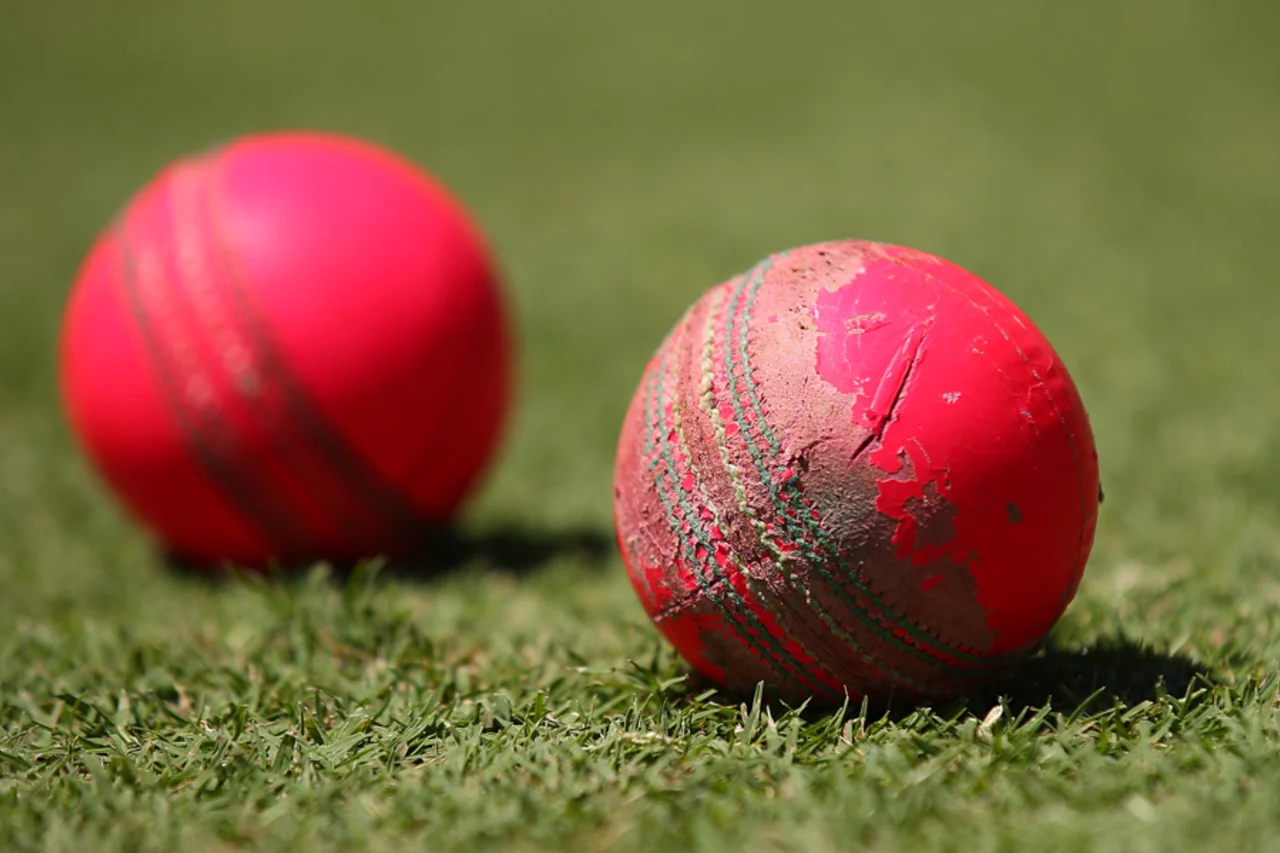 The 2nd day-night Test match of the Ashes series 2025-26 is being held in Brisbane at the Gabba where Australia has played the most day-night Tests ever (15), while England have played only seven and have a poor record with pink balls.
×


Test cricket, as the longest form of the game, is extremely popular in Australia and England. However, the ICC decided to introduce the day-night Test match concept using a pink ball to try to get Test cricket back to being what it once was, since it had fallen out of favour over the years.
So, why was the pink ball introduced into Test matches by the ICC? In the past decade, there has been a massive decrease in interest in Test cricket as a result of the growth of other formats of the game.
The excitement created by shorter format matches and their time efficiency has taken a large number of fans away from the Test match format. The idea was to try and get fans back to watching Test match cricket through the introduction of a new format that would start later in the day.
Cricketers can see a far clearer ball under the lights now as pink balls have been designed to make it easier to see in detail compared to both a red ball and what is currently being used for Test matches, and this makes them perfect for Test cricket. When playing Tests, the majority of players will also wear white shirts, so a pink ball will give greater contrast when playing under natural light at the end of the day, but also when playing with floodlights during the night.
The pink ball also offers a far greater amount of swing than a white or red ball, making the last half of a day/night Test match very enjoyable. Bowlers have the chance to exploit the favourable conditions to their advantage, resulting in a dramatic collapse of a team, as evidenced by many match records over the years.