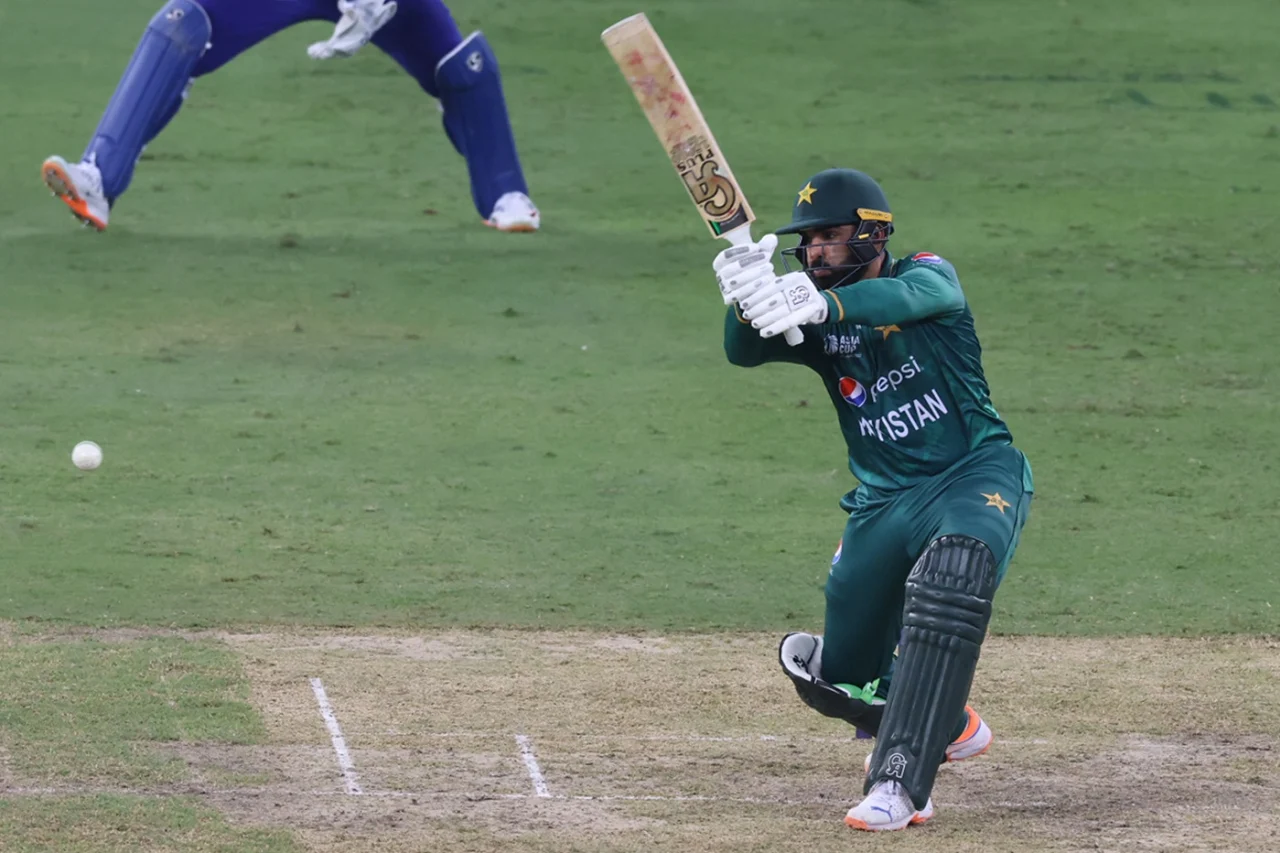
IPL 2026: Captains Oppose Impact Player Rule, BCCI Refuses Change Until 2027
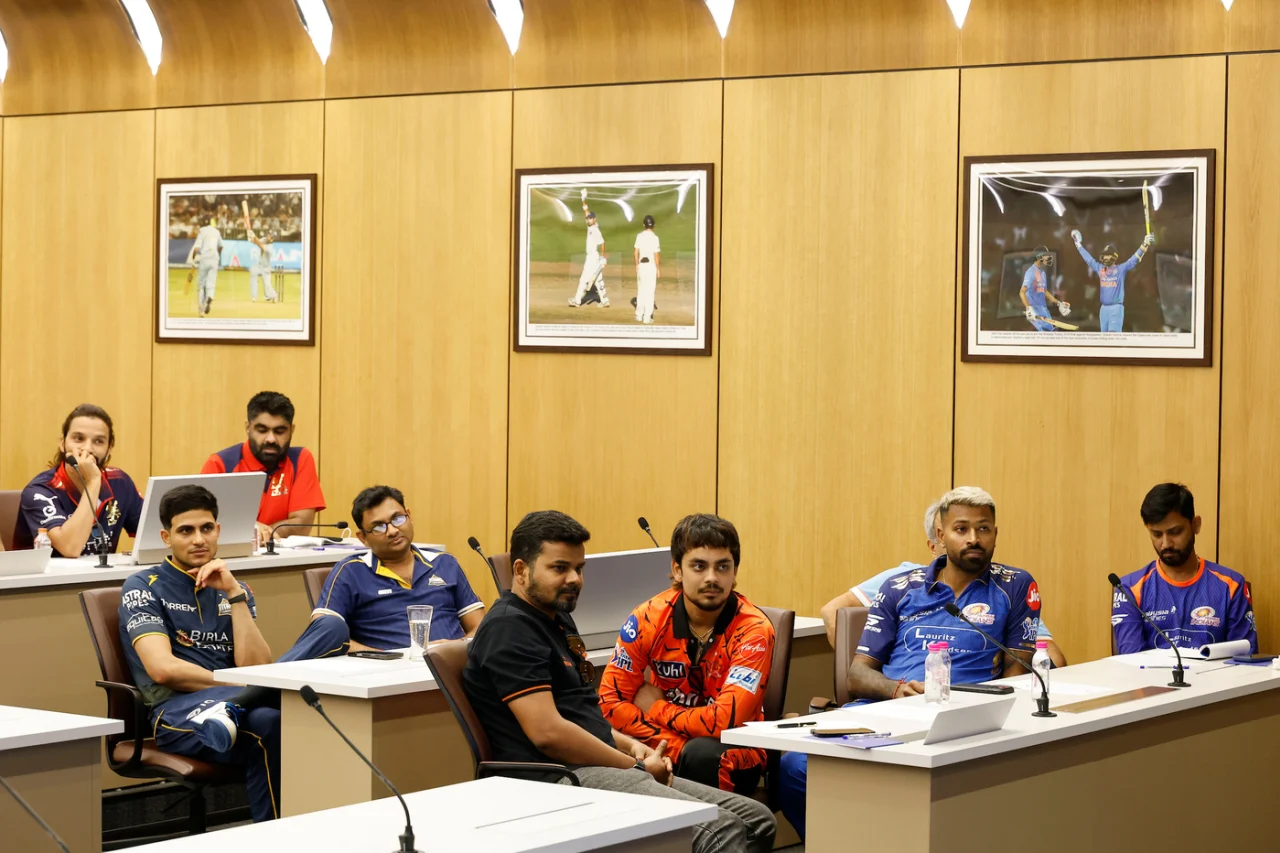
The Impact Player rule in the Indian Premier League is still being used. Even after three seasons, players and teams don’t fully agree on it. This disagreement was clearly seen again during the IPL 2026 captains’ meeting in Mumbai. While the league has embraced innovation over the years, this particular tweak still hasn’t found universal acceptance. And if the latest discussions are anything to go by, all the ten IPL captains want the rule to be removed from the league.
At the pre-season meeting at the Board of Control for Cricket in India headquarters, most captains were not happy with the Impact Player rule. When one senior captain spoke about it, many others agreed and shared the same concerns. That senior captain could either be KKR’s Ajinkya Rahane or Mumbai’s Hardik Pandya. Otherwise, all the other captains are fairly young. The feedback wasn’t new. Previously, legends like Virat Kohli and Rohit Sharma have shown their displeasure with the rule.
IPL Captains Unite Against Impact Player Rule, But BCCI Stands Firm Until 2027
As recently as two days ago, Delhi Capitals’ captain Axar Patel clearly said that he doesn’t like the rule. From questions around team balance to its long-term effect on player development, especially allrounders, the concerns have been building for a while now. However, the BCCI and IPL officials made their stance clear. The rule, introduced in 2023, will stay in place at least until the 2027 season. Any review, if at all, will only happen after that cycle. The board perhaps sees monetary value in the rule as it allows more runs-filled games. T20 fans generally tend to watch high-scoring games more and thus the BCCI or broadcasters are in favour of the rule that just gives teams an extra batting option.
At its core, the rule lets teams replace one player during the match. This makes it feel more like 12 vs 12 instead of the usual 11 vs 11. Because of this, teams have changed their strategy. They often start with an extra batter and later bring in a bowler, or the other way around. While this gives teams more flexibility, it has reduced the importance of allrounders, since teams don’t rely on them as much anymore.