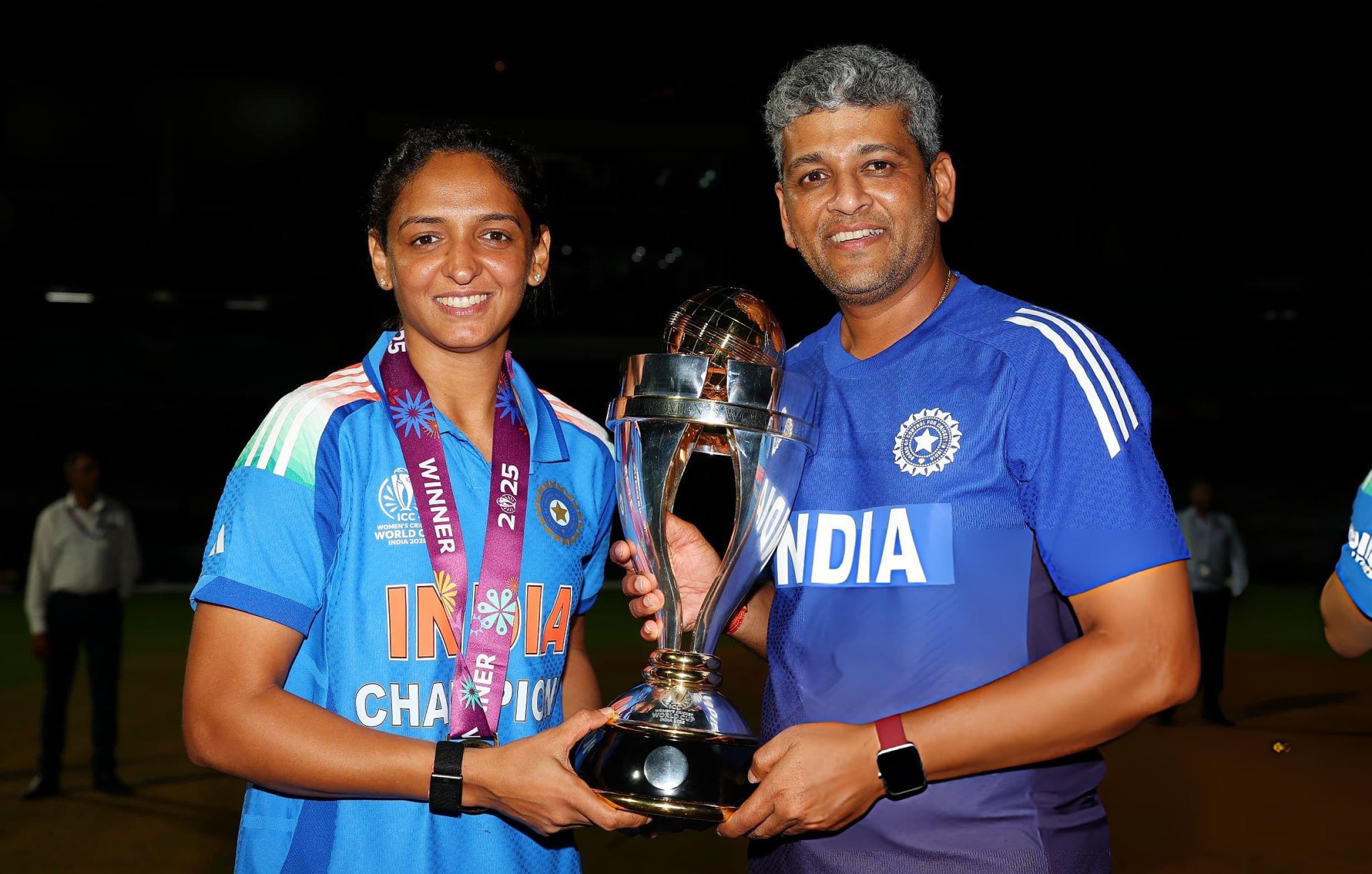
BCCI’s Stand on Mohammed Shami: Fitness Monitoring, Communication & Selection Debate
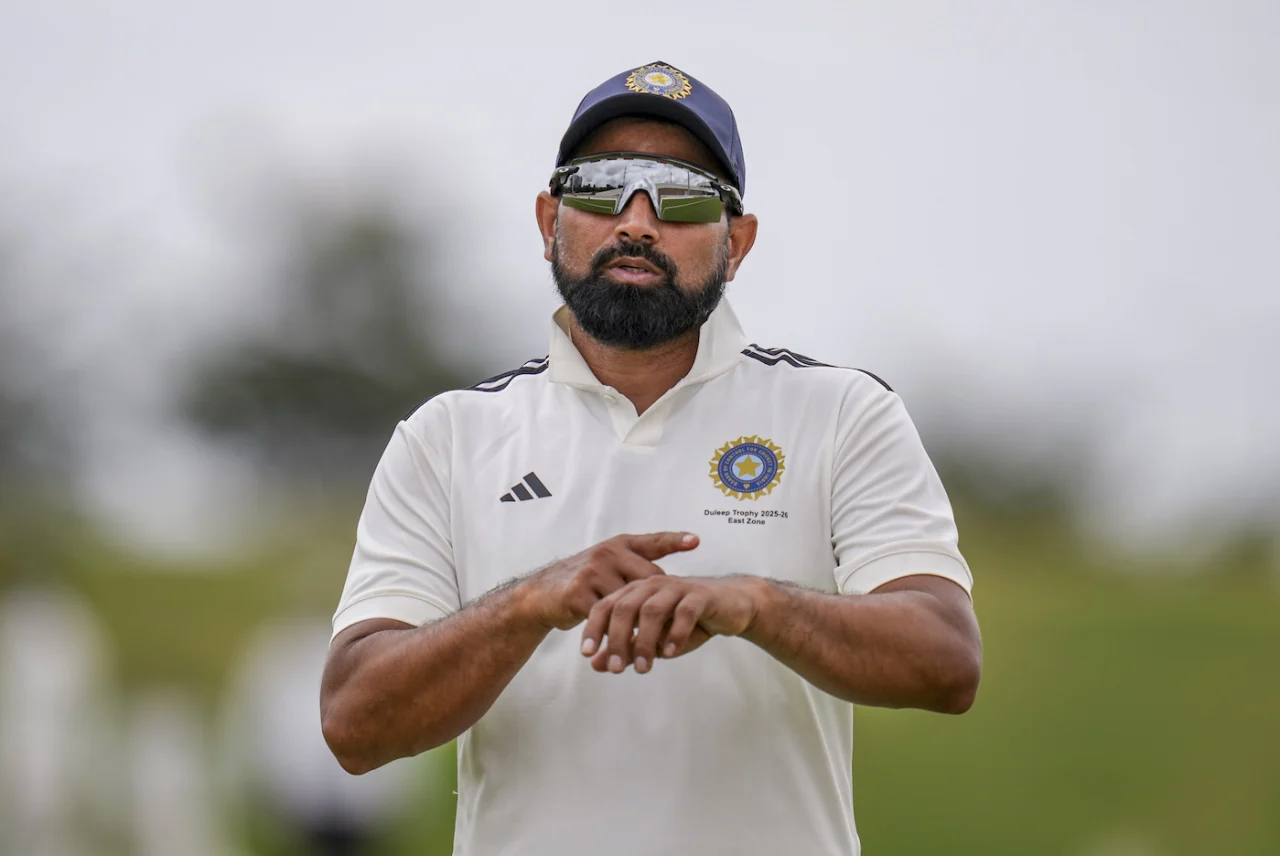
Indian veteran pacer Mohammed Shami has recently found himself at the centre of a selection controversy, having been absent from the national team across all formats since the Champions Trophy in March. Despite actively featuring in the ongoing Ranji Trophy, his chances of making a comeback to the Indian side, particularly in Tests and T20Is, seem to have diminished.
Due to his age and previous injuries, including an injury from an old knee procedure, the selectors are uncertain about his fitness and suitability for international cricket, particularly regarding the rigorous workload expected during a series of longer matches. While numerous reports indicate Shami was excluded because of unclear communication between him and the selectors, sources close to the BCCI state there is more to the story.
Why Mohammed Shami Was Left Out of the Indian Team?
It is thought that the board is keeping a close eye on the volume of his work and progress toward recovery, so it may lean on fitness and the strategy that the national team is developing for the upcoming series.
"There have been multiple times that national selectors and support staff from the BCCI Centre of Excellence have called to check on Shami. The selection committee was desperate to get his services in England as Jasprit Bumrah could not have played more than three Tests,” said a senior board official as quoted by Hindustan Times.
"So the narrative that there was no communication with Shami isn't an absolute truth," the official said.
A senior selector kept contacting Shami, asking him to play in the India A series against the England Lions in England. The selectors felt these games were the best way to check his fitness for red-ball cricket before the upcoming five-Test series. However, Shami reportedly declined the offer, explaining that he needed more time to build his workload and regain full match readiness. He also conveyed that he did not wish to be considered for the assignment at that stage, prioritizing a measured recovery process over a premature return to competitive action.